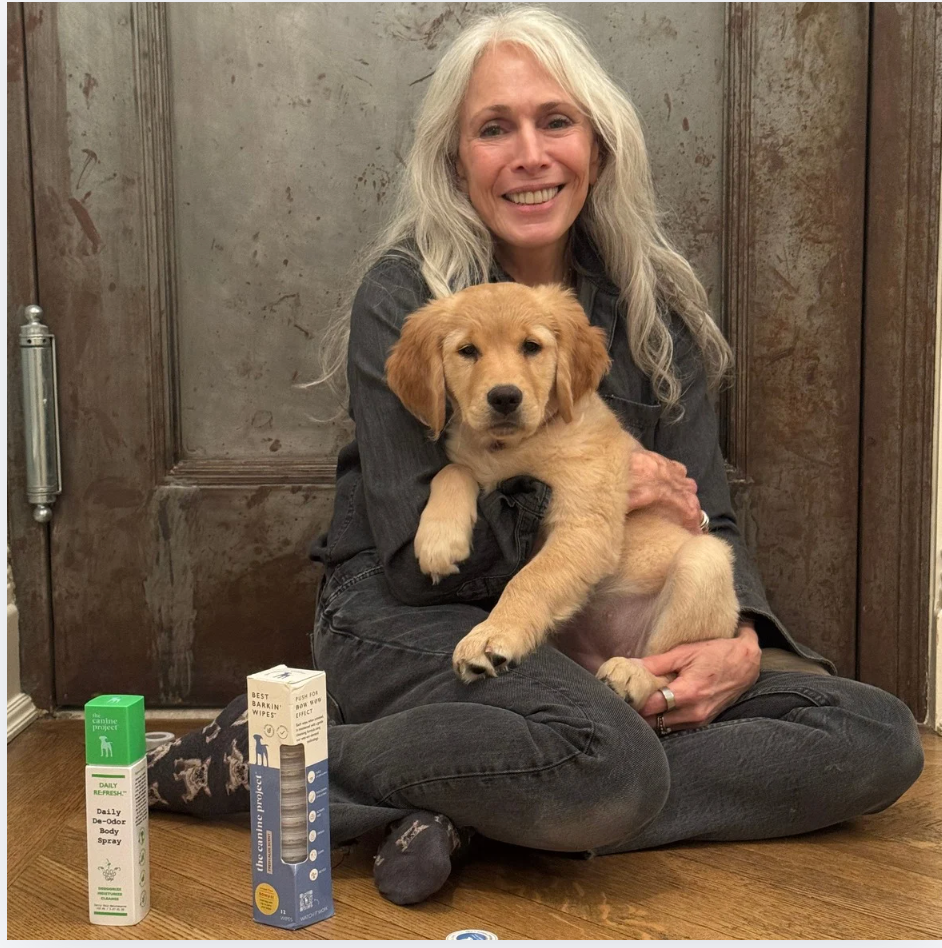

By Nancy Novograd, Owner, All-Tame Animals Talent Agency and Co-Founder of the canine project ®
Bringing home a new puppy is magic. It’s also overwhelming.

I’ve had dogs my entire life, and through my work in the animal talent world — where I help prepare dogs for professional environments, from castings to set life — I’ve seen firsthand how the earliest weeks shape everything that follows. Confidence. Calmness. Comfort being handled. Even how well they tolerate grooming as adults.
Week one isn’t about perfection. It’s about partnership.
And one of the most overlooked ways to build that partnership? Gentle, intentional grooming.
Start With Bonding, Not Commands
In the first few weeks, your puppy is learning three major things:
Before obedience cues, before structured training sessions, your puppy needs positive, predictable physical interaction. The way you touch them now will influence how they feel about grooming, veterinary exams, nail trims, and even strangers for years to come.
Touch builds trust — or tension. There’s no neutral.
Why Early Handling Matters
In professional environments, dogs are constantly handled — by trainers, groomers, veterinarians, sometimes even stylists. The dogs who thrive are the ones who were gently desensitized early.
That doesn’t mean intense grooming sessions. It means:
Keep it short. Keep it positive. End before they get wiggly or stressed.
You’re teaching them: Being handled is safe.
Protecting Delicate Puppy Skin
Puppy skin is thinner and more sensitive than adult dog skin. Their skin barrier is still developing, which means over-bathing can disrupt natural oils and lead to dryness or irritation.
Instead of frequent baths, focus on:
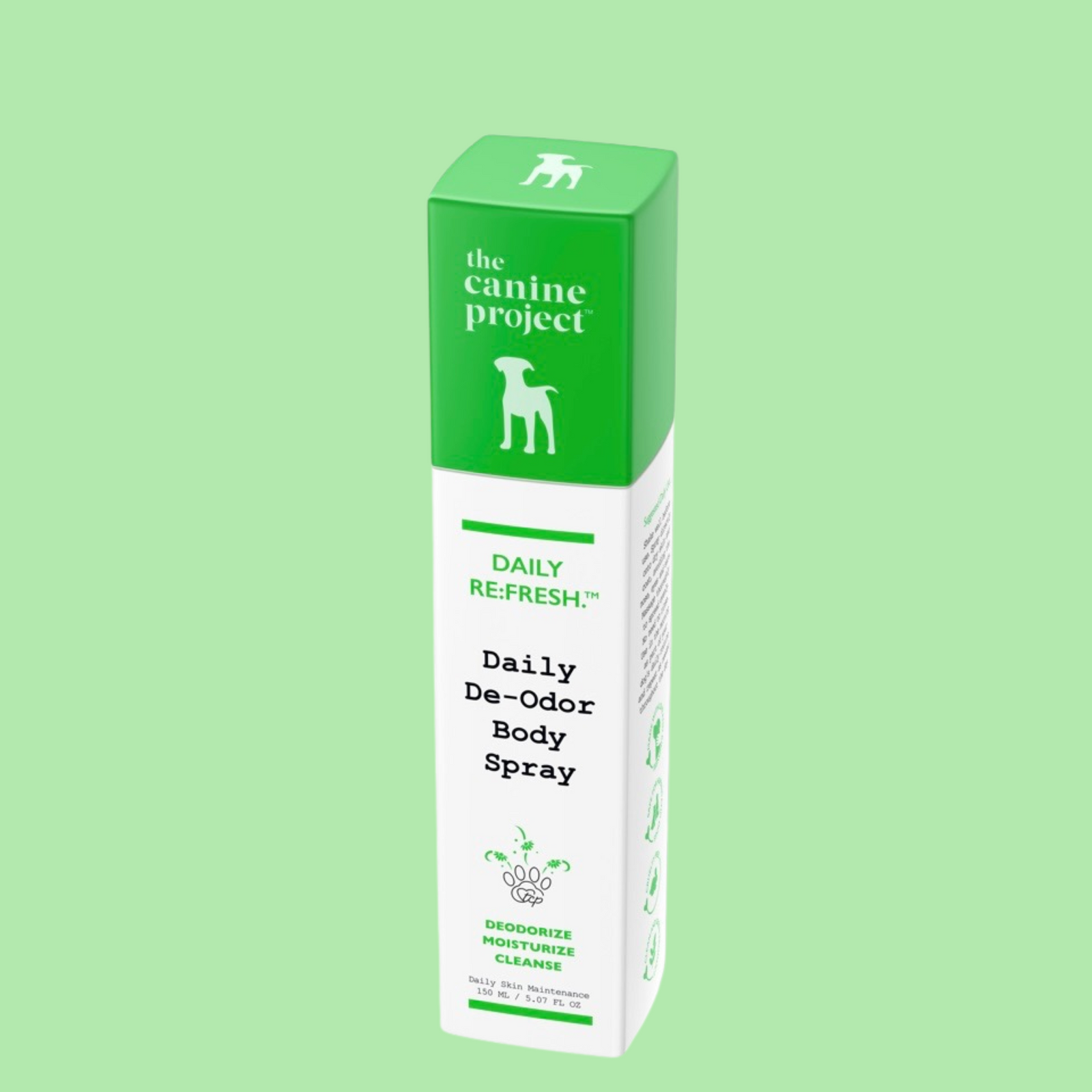
Between baths, I personally love using soft cleansing wipes like BEST BARKIN’ WIPES® for quick cleanups and DAILY RE:FRESH.® spray to lightly hydrate and maintain coat condition — especially when I don’t want to overdo washing. Importantly, Both products are made with ultra-gentle ingredients that are safe to lick and safe for delicate puppy skin. But the philosophy of touch and gentle handling matters most at these stage, consistent care over harsh resets.
Create a “Wind-Down” Ritual
One thing I’ve learned from working with performance dogs is that routine creates emotional stability.
In our home, grooming is part of our calm-down rhythm:
A few quiet minutes of brushing or wiping paws signals, “We’re settling now.” Puppies respond beautifully to predictable rituals. Grooming becomes less about cleanliness and more about connection.
Socialization Includes Grooming
When people think of socialization, they picture people and dog parks. But socialization should also include:
The more normal these sensations feel early on, the less reactive your puppy will be later.
Think Long-Term

When I prepare dogs for professional work, the ones who succeed aren’t just well-trained — they’re comfortable in their bodies. They trust human hands. They tolerate brushing. They stand calmly for cleaning. They don’t panic at touch.
That foundation isn’t built in adulthood. It’s built in week one.
You don’t need perfection. You need patience.
A few intentional minutes each day. Calm hands. Gentle products. Soft voices.
Because caring for a puppy isn’t just about raising a well-behaved dog. It’s about raising a dog who feels secure — in your home, in the world, and in their own skin.
And that starts with touch. 🐾